

Breathing New Life into the Outdoor Catering Setup at Your Next Event
/
There may still be a chill in the air where you are, but warmer months are just around the corner and, with them, outdoor events will be back in the picture. If you’re looking to freshen up your outdoor catering setup, you’re not alone — new market demands in the way of design and serving style mean adjusting and adapting old ways into new ones.
Now, that’s not to say your menu needs an overhaul or you need to find different sources for your ingredients. A seasonal refresher is about understanding the weather and the layout of an outdoor venue to create a fresh and innovative design that adds to the guest experience.
Here are a few considerations to keep in mind when planning upcoming outdoor events.
Open-concept serving styles
The flow of an outdoor celebration lends itself to the casual energy of picnics, cookouts, and other low-key feasts. Consider family-style plates and buffets, which will be the easiest routes for both caterers and guests. Understanding the venue and its level of formality is key to deciding on serving style; a backyard banquet will likely be far more understated than a celebration planned at a five-star vineyard resort.
Clean and efficient prep space
A smart caterer prepares as much as possible beforehand, but also understands that there is a certain amount of prep and cooking that needs to be done onsite. Thus, you need to secure a space—whether inside or outside—where you can spread out to prepare and plate meals. In a perfect world, this would be convenient to the food storage area and the serving space for guests. However, it’s not always that easy in terms of logistics, so any place with water or electricity will suffice.
Smart, safe storage options
While indoor events certainly have their own limitations, one of the biggest obstacles for outdoor celebrations is the factor of food safety. Hot weather and high humidity can be a death sentence for sensitive foods like meat, seafood, salads, fresh salsas, and other ingredients that spoil easily. It’s crucial to ensure that there is a proper amount of temperature-controlled storage space within your outdoor prep space; otherwise, you may need to make use of portable coolers or indoor refrigerators to store food until it’s ready to serve.
Venue-specific backup plans
There’s no way to know how weather will affect an event until the days leading up to it, so you need to have a backup plan in place for every venue you work with. Consider where rainwater collects and drains, whether there is a backup generator (in case of outages), and how the escape plan looks for vendors and guests alike. It’s always better to be over-prepared for inclement weather and other emergency situations, so take some time to familiarize yourself with the venue layout and create a plan B.
Fresh, innovative food design
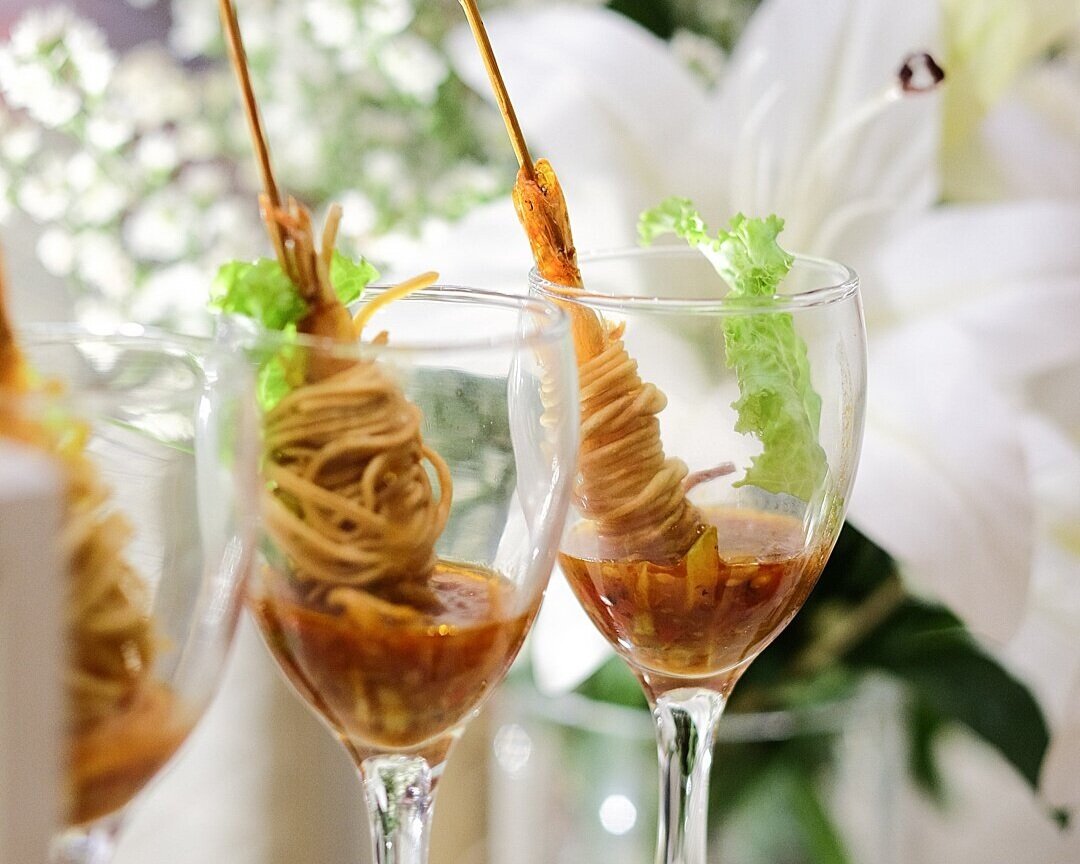
At the end of the day, the way you design and present food is ultimately what will make or break the client—and guest—experience. They likely won’t know how much effort goes into the behind-the-scenes preparation for an outdoor event, but they will be looking at the quality and aesthetic of the food served. Consider incorporating some of this year’s top catering trends for a fresh approach to your spring and summer celebrations.
There are few things more enjoyable than a beautiful summer celebration, especially when the menu brings light and fresh flavors to the table. With the right preparation and a careful eye for design, your next summer soiree will be sure to delight your client and their guests.